
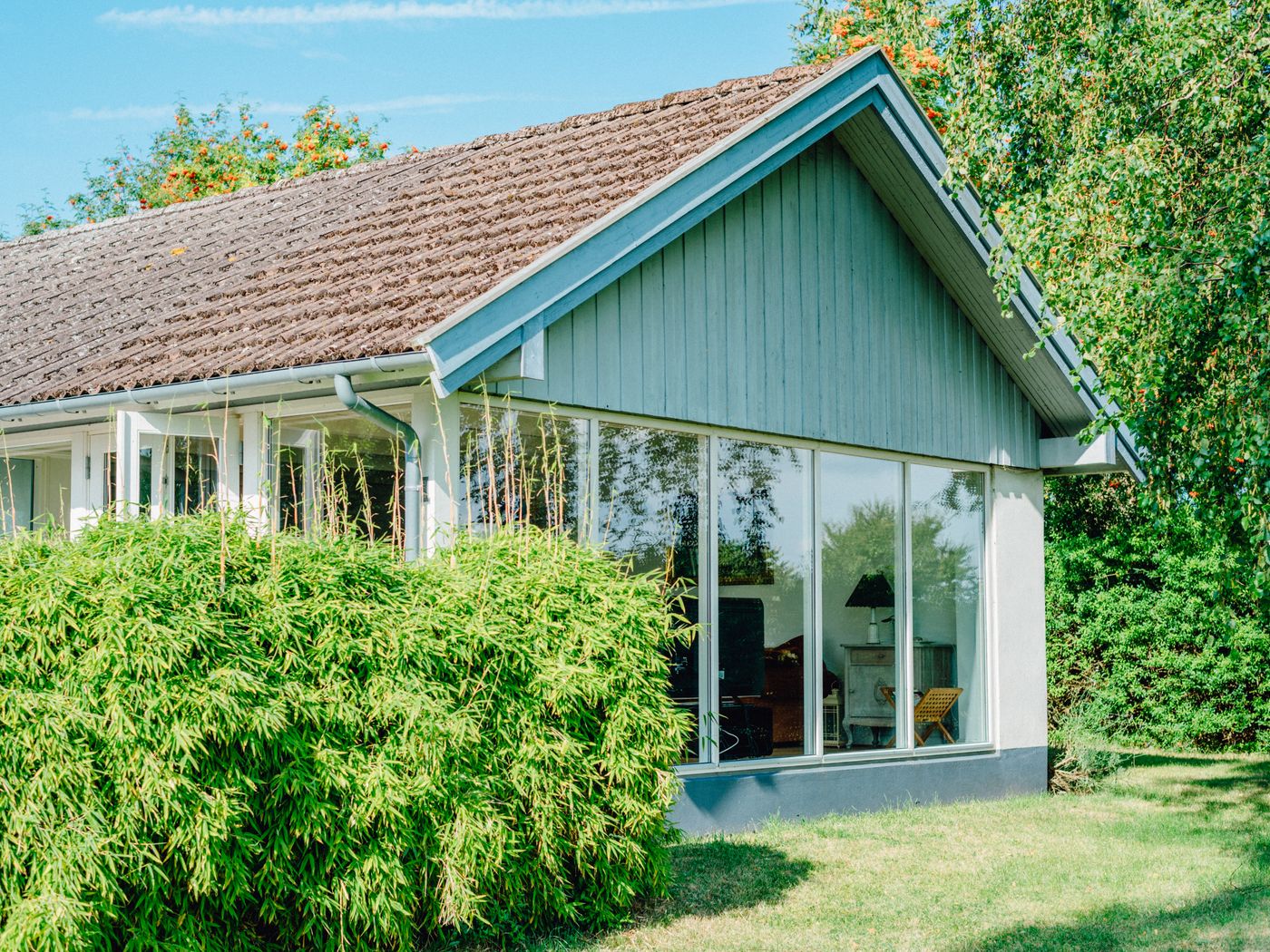
The 2027 Future Homes Standard effectively bans gas boilers in new builds in England. If you are planning a new build in Redditch, Birmingham, Solihull or Warwickshire, an air source heat pump (ASHP) will almost certainly be your primary heat source. Here is what you need to know.
How air source heat pumps work
An ASHP is a large outdoor unit that extracts warmth from the outside air (even at −10°C) and transfers it into your heating system. It runs on electricity and typically produces 3–4 kW of heat for every 1 kW of electricity consumed. That efficiency ratio (called Coefficient of Performance, or COP) is why heat pumps beat gas boilers on running cost, even at UK electricity prices.
Sizing for a West Midlands new build
Typical air source heat pump sizes for new builds:
- 2-bed apartment or small terrace: 5–7 kW unit
- 3-bed semi: 7–9 kW unit
- 4-bed detached: 9–12 kW unit
- 5-bed executive home: 12–16 kW unit
Correct sizing depends on the heat loss calculation for the specific property, which we complete for every new build. Oversized systems cycle inefficiently. Undersized systems can’t keep up on the coldest days.
Running costs
On October 2025 UK average electricity prices, a well-designed heat pump in a well-insulated new build runs at:
- 3-bed semi (100 m²): £800–£1,100 per year
- 4-bed detached (150 m²): £1,100–£1,500 per year
- 5-bed executive (200 m²): £1,500–£2,000 per year
For comparison, a gas boiler at 2025 gas prices would come in slightly cheaper (£100–£300 per year less) — but gas prices are rising faster than electricity prices, and the 2027 standard removes the choice anyway.
Radiators or underfloor heating?
Heat pumps run at lower flow temperatures than gas boilers (typically 45°C versus 65°C). That means:
- Underfloor heating: near-perfect match. Standard in most heat-pump new builds.
- Oversized radiators: works fine. Add roughly 30–50% to standard radiator sizes.
- Standard-size radiators: struggles on the coldest days.
Most of our new-build designs specify underfloor heating downstairs and low-flow-temperature radiators upstairs.
Hot water: cylinder required
Unlike a combi boiler, an air source heat pump normally requires a hot water cylinder (usually 180–300 litres). This affects the plumbing plan for your new build — typically an airing cupboard housing the cylinder.
Outdoor unit placement
The outdoor unit is the size of a small filing cabinet. Considerations:
- Airflow: at least 1m clearance on the front face
- Noise: modern units are around 40–50 dB. Not silent. Position away from bedroom windows.
- Boundary distance: some designs require a specified distance from boundaries to comply with permitted development rules for heat pumps
Grant funding
The Boiler Upgrade Scheme (BUS) offers £7,500 towards ASHP installation for retrofits, but not for new builds (where you were going to install heating anyway).
Getting it right at design stage
The mistakes we see most often on new builds where heat pumps are added late:
- Airing cupboard too small for the cylinder
- No dedicated electrical circuit to the outdoor unit location
- Ground-floor construction not compatible with underfloor heating
- Insufficient roof space for solar PV to offset running costs
We design heat pumps into every new build from day one, integrated with the shell insulation, MVHR ventilation and solar PV.
Talk to us about your new build
CK Construction has been designing and delivering low-carbon homes across the West Midlands for years. Call 01527 521835 or use our contact form.
Serving homeowners across West Midlands, Worcestershire, Gloucestershire and the wider region.